
Our Blog

NEWS

News and insights for
BlackBridge Logistics
BlackBridge Logistics blog

Latest Posts

At BlackBridge Logistics, we understand the road because we're part of your journey. Our commitment to carriers
Supply Chain Disruption Planning for Freight

Supply Chain Disruption Planning for Freight

Supply chain disruption used to be a once-a-decade conversation. Over the last six years, it’s become an annual one. Port strikes, weather events, tariff policy changes, carrier capacity contractions, and equipment shortages have each, at various points, gated imports in ways that most contingency plans didn’t anticipate. For supply chain leaders, procurement managers, and CFOs, […]

Inland Port Drayage Services

Inland Port Drayage Services

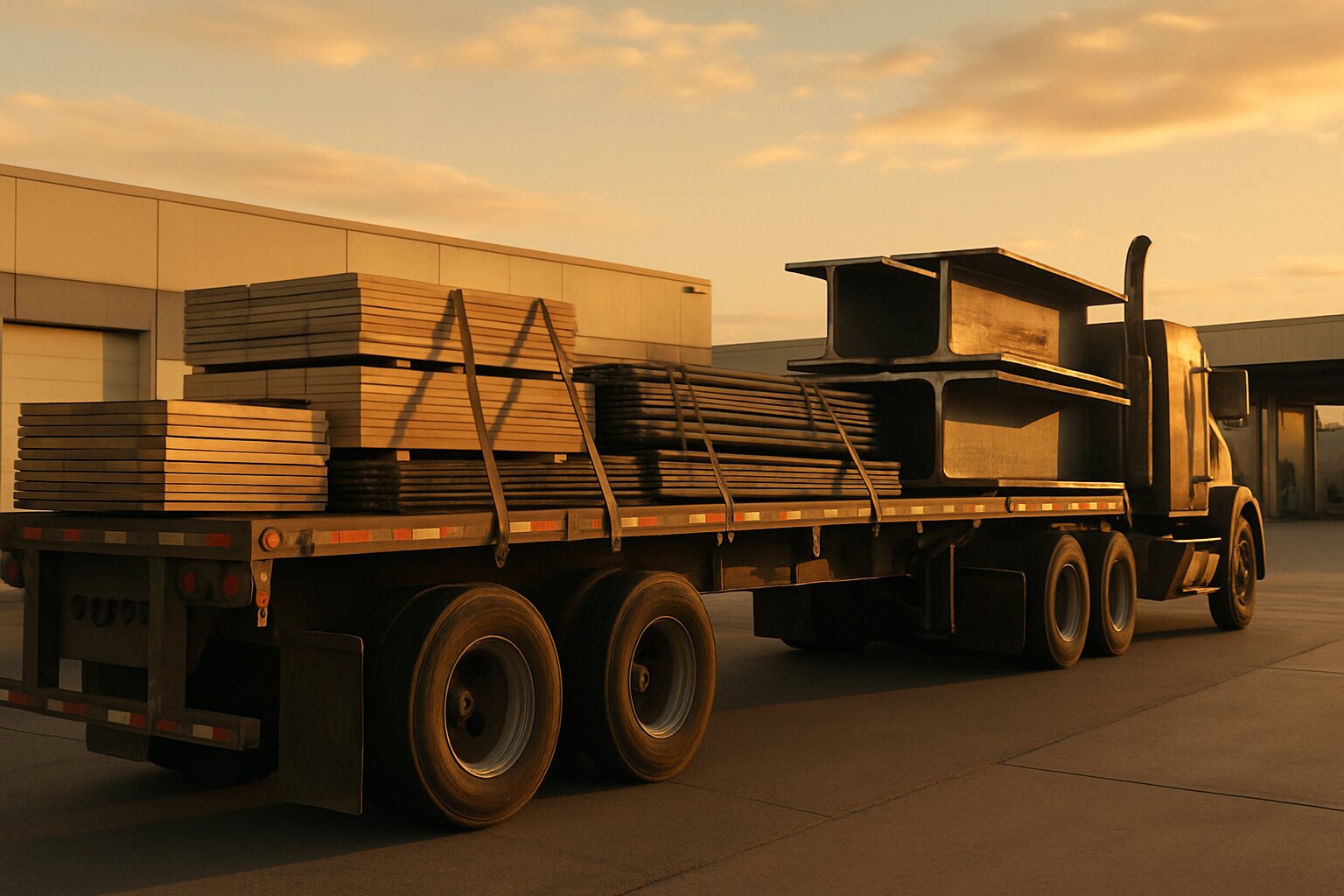
Inland port drayage is one of the least-understood parts of the US container network, but for Southeastern and Carolinas manufacturers it often drives the difference between a cost-effective supply chain and one bleeding money on long-haul trucking. An inland port isn’t a port in the literal sense — it’s a rail-served container facility hundreds of […]

Cross-Border Mexico Drayage

Cross-Border Mexico Drayage

Cross-border Mexico drayage sits at the center of North American manufacturing. With nearshoring accelerating and Mexico now the top US trading partner by volume, importers and exporters moving freight between US ports and Mexican plants face a logistics environment that rewards operators who understand both sides of the border. A missed customs step or the […]

Hazmat Freight Shipping Guide

Hazmat Freight Shipping Guide

Hazmat freight shipping covers any material the US Department of Transportation classifies as hazardous — flammable liquids, corrosives, oxidizers, explosives, compressed gases, toxics, radioactives, and more. Moving hazmat isn’t a rate question; it’s a compliance question first and a capacity question second. Miss a placard, skip an endorsement, or load incompatible classes together and you’re […]

Heavy Haul Flatbed and Oversize Freight

Heavy Haul Flatbed and Oversize Freight

Heavy haul is flatbed freight that exceeds standard legal limits on weight, width, height, or length. Once a load crosses any of those thresholds, it stops being routine trucking and becomes a permitted, routed, sometimes escorted move that can take days or weeks to set up. Construction equipment, power transformers, wind components, industrial presses, and […]

Reefer Drayage for Cold Chain Importers

Reefer Drayage for Cold Chain Importers

Reefer drayage is the short-haul movement of refrigerated ocean containers between port or rail terminals and cold storage, processors, or distribution centers. Unlike dry drayage, a reefer move is a live cold chain — the container is plugged into shore power at the terminal, has to stay powered during the move, and gets plugged in […]

Flatbed Shipping Guide

Flatbed Shipping Guide

Flatbed shipping covers freight that can’t fit in a dry van — machinery, steel, lumber, construction materials, oversized industrial components, and anything loaded or unloaded by crane or forklift from the top or sides. If you’re a shipper moving palletized boxed goods, you’ll rarely need flatbed. If you move anything that’s heavy, wide, tall, or […]

Expedited Trucking Guide

Expedited Trucking Guide

Expedited trucking exists for one reason: when freight has to arrive faster than standard transit allows and the cost of being late exceeds the cost of a premium move. Line-down at an assembly plant, a medical device needed at a hospital, a trade show booth that has to be on the floor by opening — […]

Supply Chain Disruption Planning for Freight

Supply Chain Disruption Planning for Freight

Supply chain disruption used to be a once-a-decade conversation. Over the last six years, it’s become an annual one. Port strikes, weather events, tariff policy changes, carrier capacity contractions, and equipment shortages have each, at various points, gated imports in ways that most contingency plans didn’t anticipate. For supply chain leaders, procurement managers, and CFOs, […]
Inland Port Drayage Services

Inland Port Drayage Services

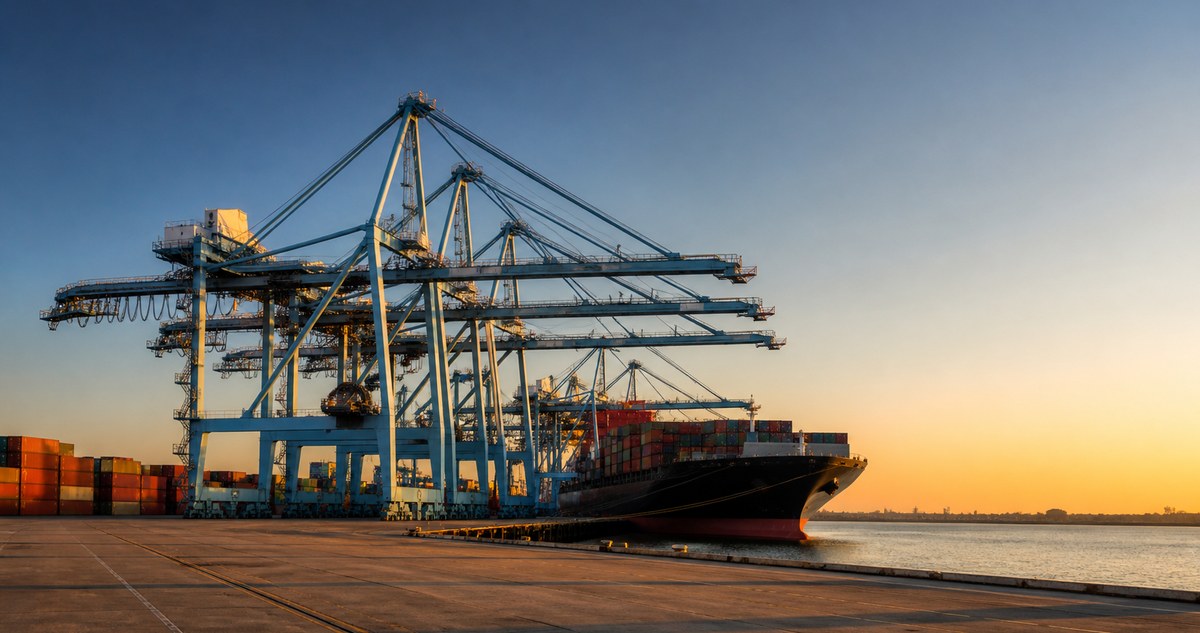
Inland port drayage is one of the least-understood parts of the US container network, but for Southeastern and Carolinas manufacturers it often drives the difference between a cost-effective supply chain and one bleeding money on long-haul trucking. An inland port isn’t a port in the literal sense — it’s a rail-served container facility hundreds of […]

Cross-Border Mexico Drayage

Cross-Border Mexico Drayage

Cross-border Mexico drayage sits at the center of North American manufacturing. With nearshoring accelerating and Mexico now the top US trading partner by volume, importers and exporters moving freight between US ports and Mexican plants face a logistics environment that rewards operators who understand both sides of the border. A missed customs step or the […]

Hazmat Freight Shipping Guide

Hazmat Freight Shipping Guide

Hazmat freight shipping covers any material the US Department of Transportation classifies as hazardous — flammable liquids, corrosives, oxidizers, explosives, compressed gases, toxics, radioactives, and more. Moving hazmat isn’t a rate question; it’s a compliance question first and a capacity question second. Miss a placard, skip an endorsement, or load incompatible classes together and you’re […]

Heavy Haul Flatbed and Oversize Freight

Heavy Haul Flatbed and Oversize Freight

Heavy haul is flatbed freight that exceeds standard legal limits on weight, width, height, or length. Once a load crosses any of those thresholds, it stops being routine trucking and becomes a permitted, routed, sometimes escorted move that can take days or weeks to set up. Construction equipment, power transformers, wind components, industrial presses, and […]

Reefer Drayage for Cold Chain Importers

Reefer Drayage for Cold Chain Importers

Reefer drayage is the short-haul movement of refrigerated ocean containers between port or rail terminals and cold storage, processors, or distribution centers. Unlike dry drayage, a reefer move is a live cold chain — the container is plugged into shore power at the terminal, has to stay powered during the move, and gets plugged in […]